

By Khumo Makame
picture: sourced
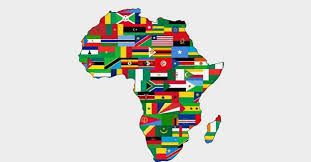
As South Africa commemorates Africa Month in May, the government has condemned violence and divisive narratives targeting foreign nationals and instead called on citizens to promote unity, social cohesion and peaceful coexistence. Africa Day is celebrated on 25 May annually to mark the founding of the Organisation of African Unity (OAU) in 1963. OAU was formed to honor the continent’s rich heritage, celebrate Pan-African solidarity and reflect on the journey toward unity, peace and socio-economic development.
Africa Day celebrates the continent’s shared history, cultural diversity, and collective aspirations for peace, development, and African solidarity. The South African Government reaffirmed the country as a constitutional democracy founded on human dignity, equality and respect for all people living within it’s borders.
During this month, citizens are encouraged to strengthen social bonds, reject xenophobia and work together to build peaceful and inclusive communities across the continent.
In a statement issued on 8 May 2026 by the Government Communication and Information System (GCIS), the government has indicated that Africa’s strength lies in “unity, mutual respect and collective development.”
The statement encouraged embracing of the spirit of Ubuntu, and recognising that collective prosperity depends on tolerance, cooperation and respect for all who live within communities.
The message comes amid recent xenophobic attacks and anti-immigrant protests across the country, including parts of Gauteng and KwaZulu-Natal.
In recent weeks, incidents of harassment, intimidation, and attacks targeting foreign nationals and migrant-owned businesses have raised concerns about growing social tensions.
The government encouraged communities to reject misinformation, divisive narratives and acts of violence, warning that these threaten stability and peaceful coexistence.
Emphasis was placed on addressing challenges linked to migration, unemployment, and crime through lawful and constitutional processes rather than discrimination or violence.
The renewed call for unity also reflects broader economic and social pressures facing the country, which grapples with high unemployment, poverty and crime, often contributing to tensions between local communities and migrants.

Comments are closed.